The Ultimate Used Truck Buying Guide for 2026
Everything you need to know before buying a used pickup or commercial truck, from payload capacities to frame rust inspection.
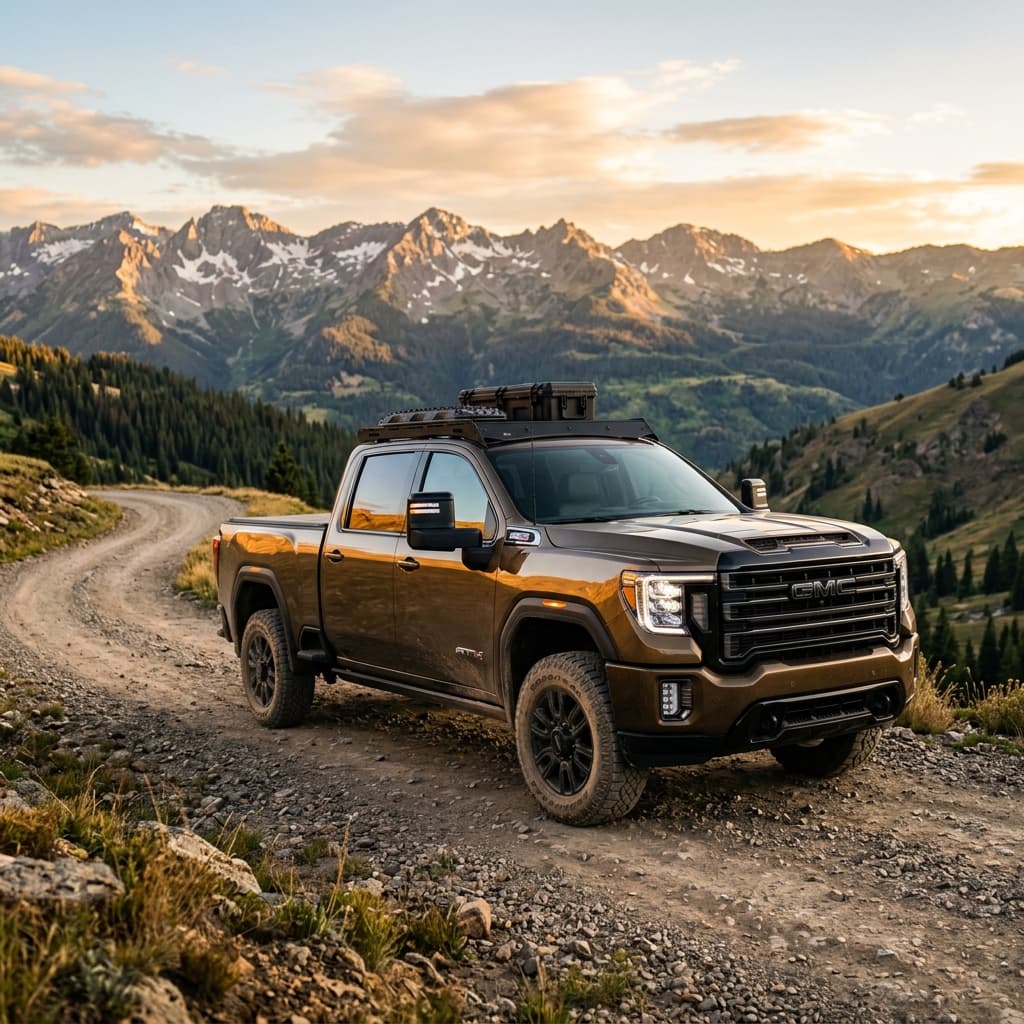
When you're in the market for a used truck, you're not just buying a vehicle—you're investing in a tool. Whether it's for hauling equipment, towing a fifth-wheel trailer, or driving to the job site, a truck must be dependable.
Here is our ultimate guide to ensuring you get the best truck for your money.
1. Know Your Needs: Payload vs. Towing
Many first-time truck buyers confuse payload capacity with towing capacity.
If you plan to haul heavy bags of concrete in the bed, you need high payload. If you're pulling a boat, prioritize towing capacity.
2. Inspecting the Frame and Undercarriage
Trucks live hard lives. Before purchasing, you must inspect the undercarriage.
3. Check the Engine Idle Hours
For commercial trucks and heavy-duty pickups (like the F-250 or Ram 2500), mileage isn't the only metric that matters. **Engine idle hours** are crucial. A truck with 80,000 miles might seem fresh, but if it spent thousands of hours idling at construction sites, the engine wear is equivalent to a truck with 200,000 miles.
4. Review the Service Records
Trucks require stricter maintenance schedules than commuter cars, especially if they are diesel or used for heavy towing. Look for records of:
Conclusion
Don't rush the process. A thorough inspection and understanding of your specific needs (Half-ton vs. 3/4-ton) will save you thousands of dollars in repairs down the road. Use our search tools to filter trucks by payload, towing capacity, and engine type.